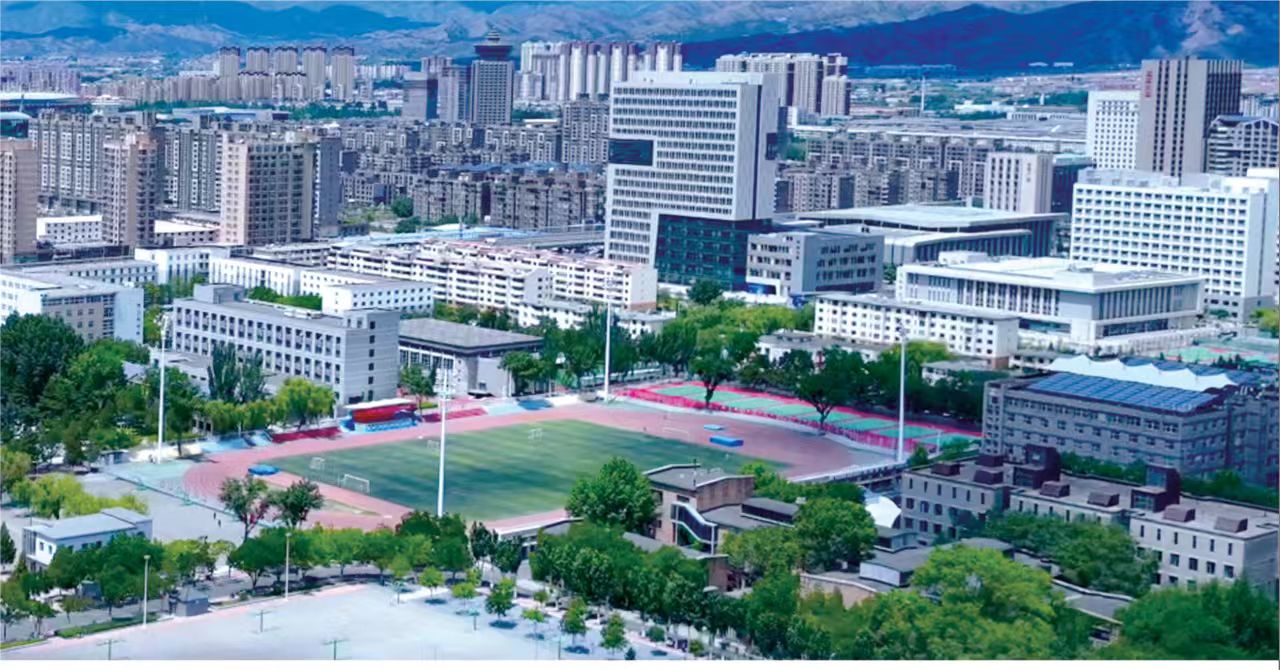
Hohhot is the capital of China's Inner Mongolia Autonomous Region and a nationally renowned historical and cultural city. As the core of the Hohhot-Baotou-Yinchuan urban cluster and the center of the Hohhot-Baotou-Ordos urban agglomeration, it serves not only as an engine for regional coordinated development but also as a crucial hub for the country's northward opening-up, linking the vibrant China-Mongolia-Russia Economic Corridor. Leveraging international platforms such as the China-Mongolia Expo, the city's visibility and influence continue to grow. Through extensive international friendly cooperation, Hohhot actively contributes to regional peace and development.

Inner Mongolia University of Technology, located in Hohhot, is a comprehensive university primarily focused on engineering and covering multiple disciplines including engineering, science, management, law, literature, economics, and art. It has a complete talent training system for bachelor's, master's, and doctoral degrees. Established in 1951, the university achieved full coverage of doctoral programs in engineering and master's programs in all colleges in 2024. It currently has 3 postdoctoral research stations, 11 first-level disciplines with doctoral degree authorization, 1 professional doctoral degree authorization point, 26 first-level disciplines with master's degree authorization, and 17 professional master's degree authorization points. Additionally, the university has 1 top-notch discipline for cultivation in the autonomous region, 3 first-class construction disciplines, 7 first-class cultivation disciplines, and 10 quality improvement cultivation disciplines, with remarkable achievements in disciplinary construction.
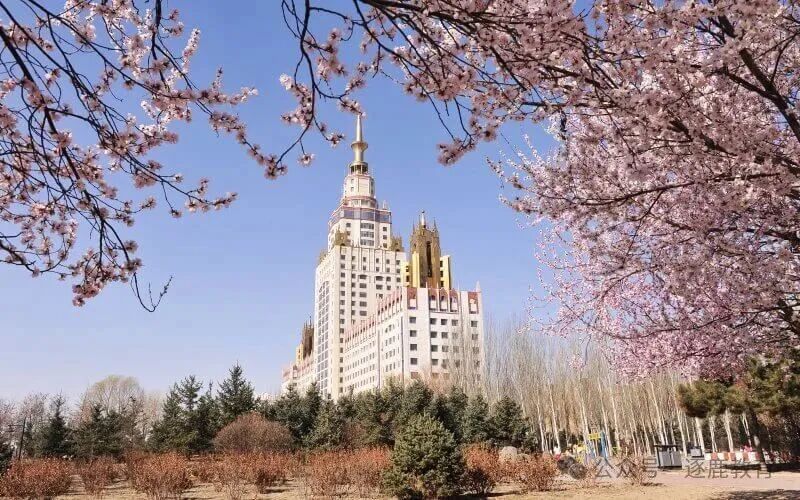
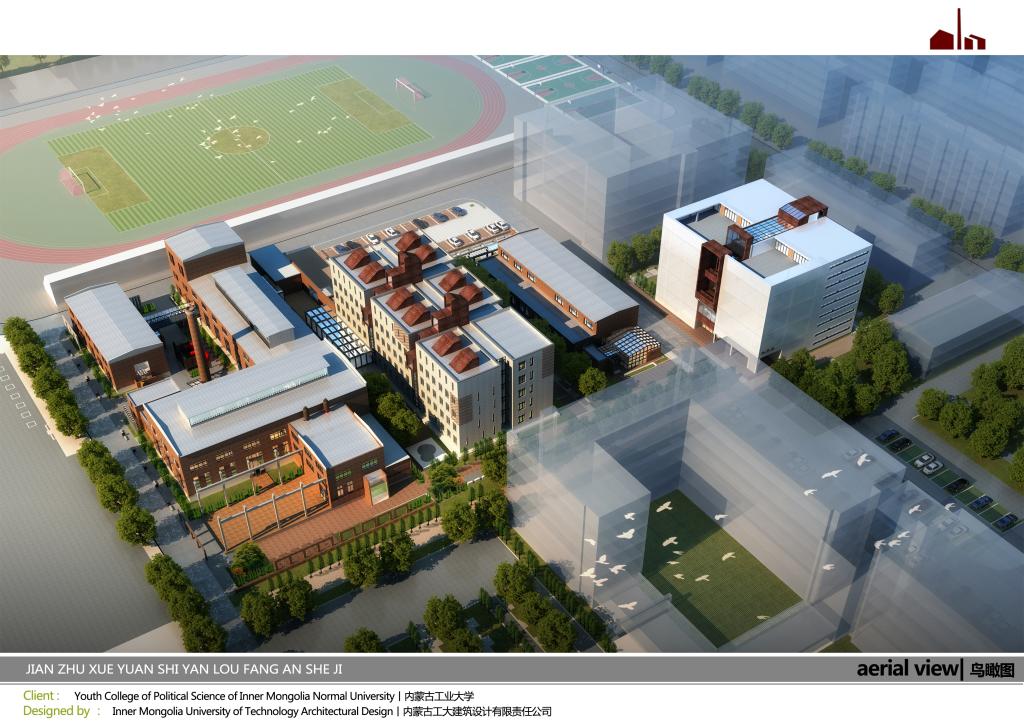
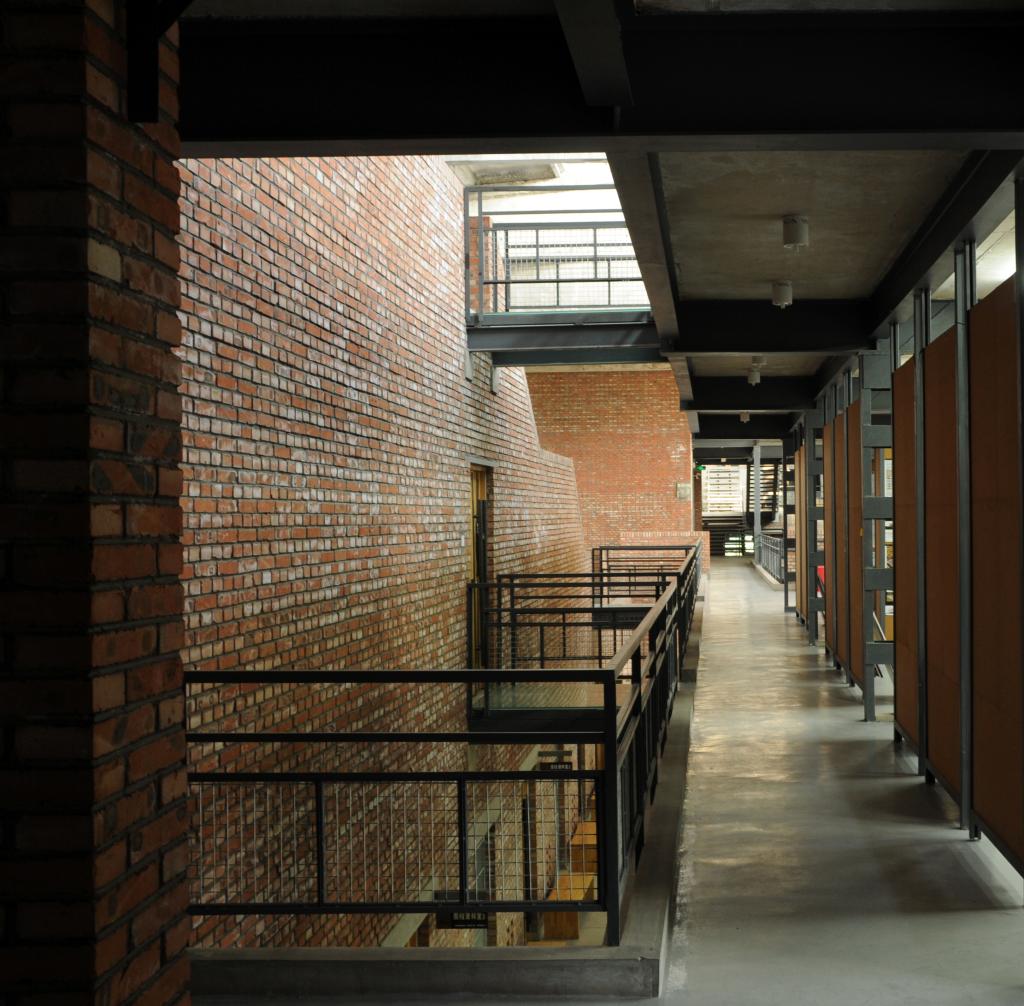
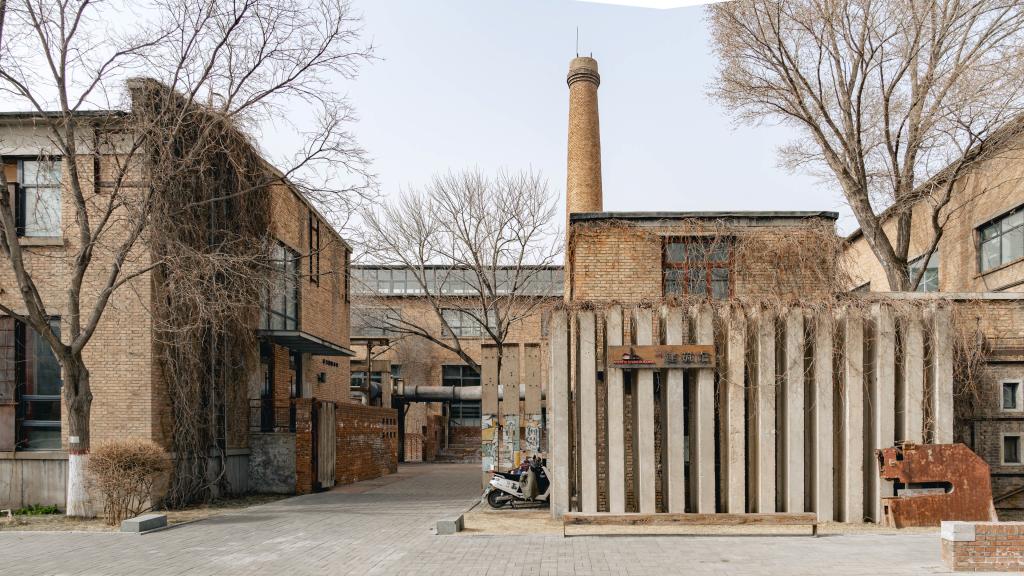
Covering a total area of 20,000 square meters, the Architecture Building—renovated and expanded from an old industrial factory building—comprises professional classrooms, a library, seminar rooms, research institutes, exhibition spaces, and experimental centers. Its functions are fully integrated with talent cultivation, creating a high-quality educational environment. The school has established professional practice bases in over 20 enterprises nationwide, with engineers from these enterprises participating in design courses. This forms a practical education platform featuring close school-enterprise collaboration.