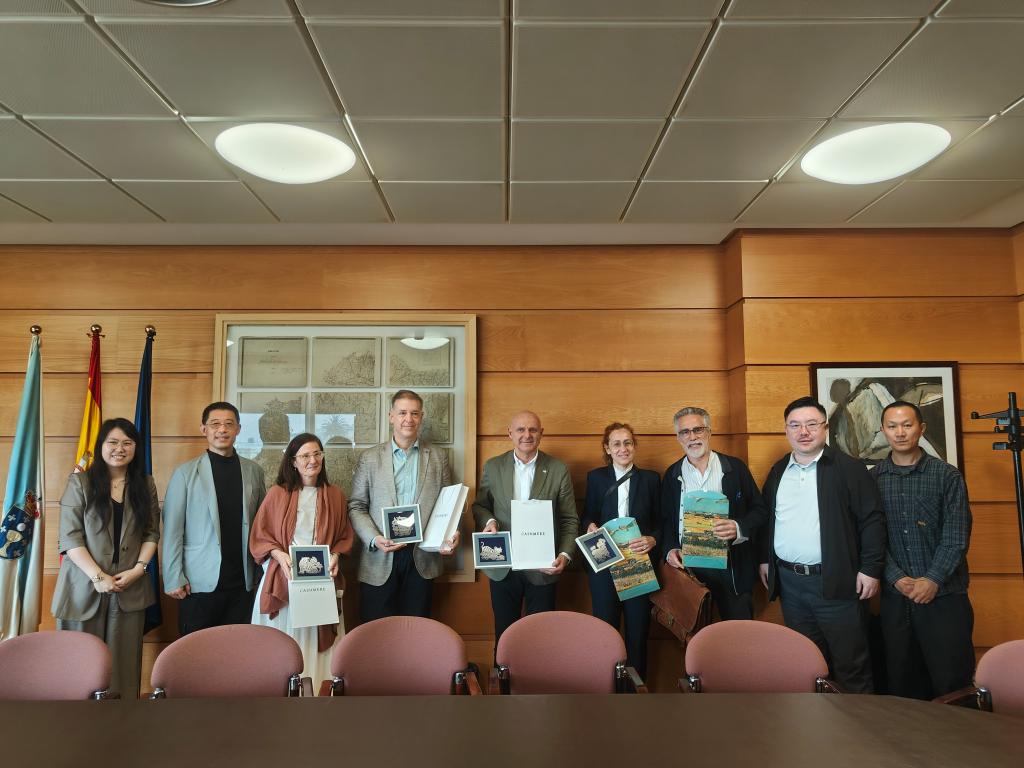
From May 25 to May 29, 2026, the Inner Mongolia University of Technology (IMUT, SoA), in collaboration with the University of A Coruña (ETSAC, UDC) and the Harbin Institute of Technology (HIT), conducted a cross-border joint graduation final defense and academic exchange event at the University of A Coruña (ETSAC, UDC). The IMUT delegation was led by Wang Lei, Head of the Department of Architecture, along with joint graduation design advisors Duan Jianqiang and Li Chaoming, three graduate students, and five undergraduate students. The HIT delegation, led by joint graduation design advisor Guo Qi, brought five undergraduate students to A Coruña, Spain. There, they engaged in joint design teaching exchanges with Miguel, Dean of the School of Architecture at the University of A Coruña, and responsible professors Jesus, Luis, and Emilio.
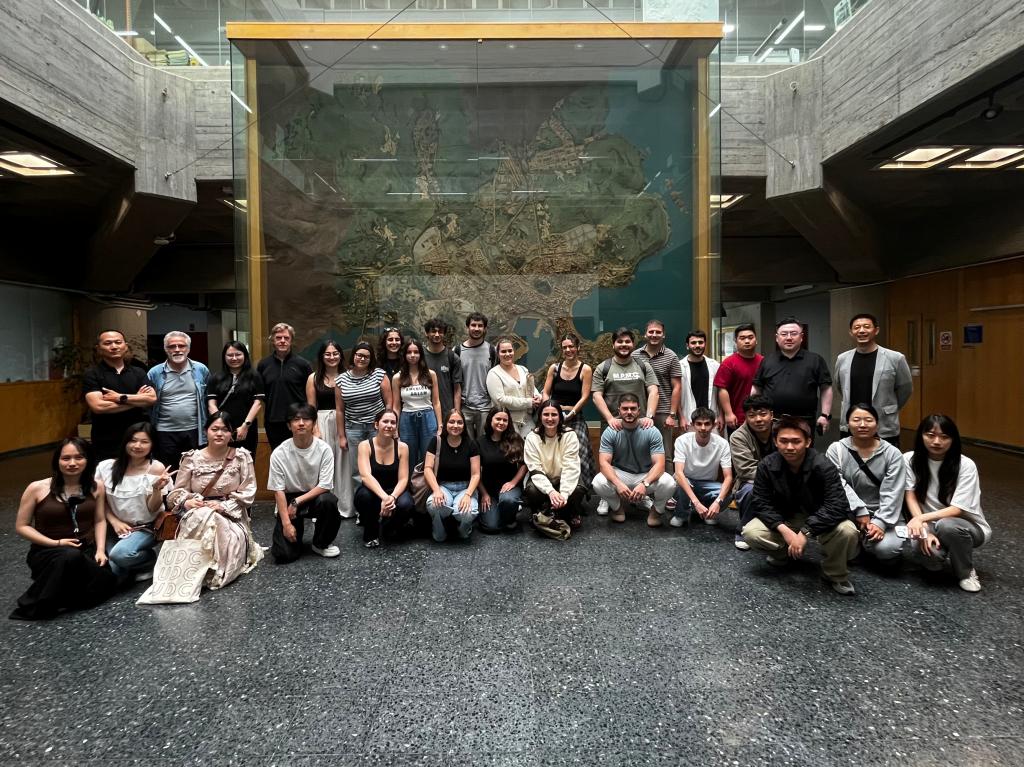
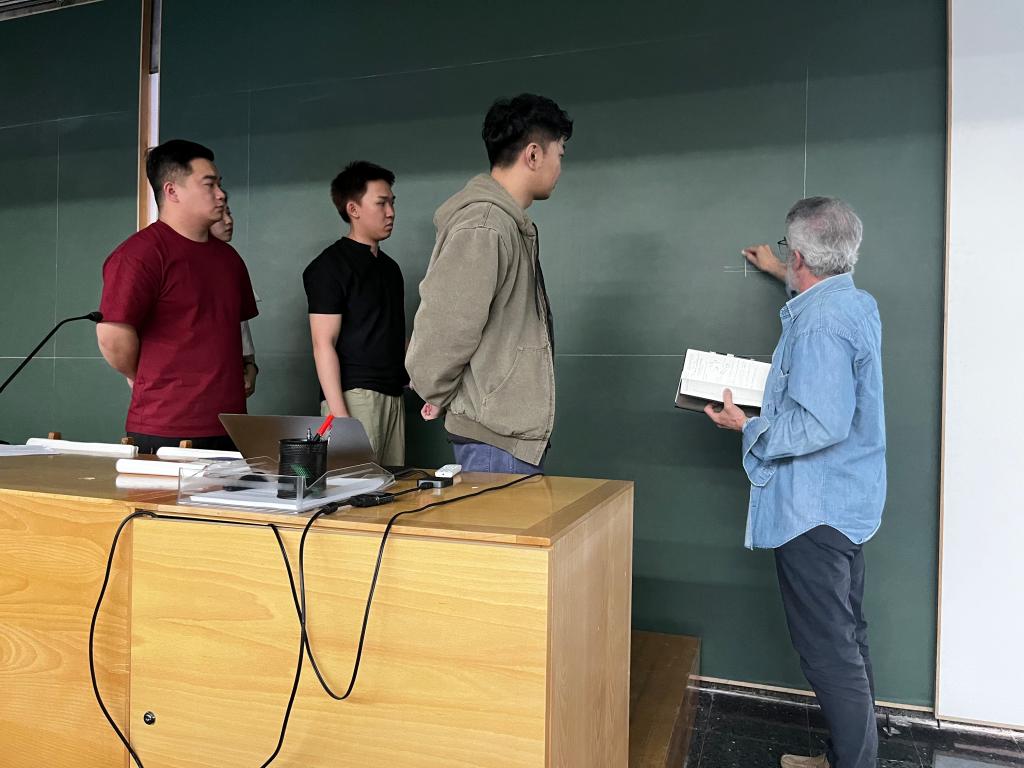
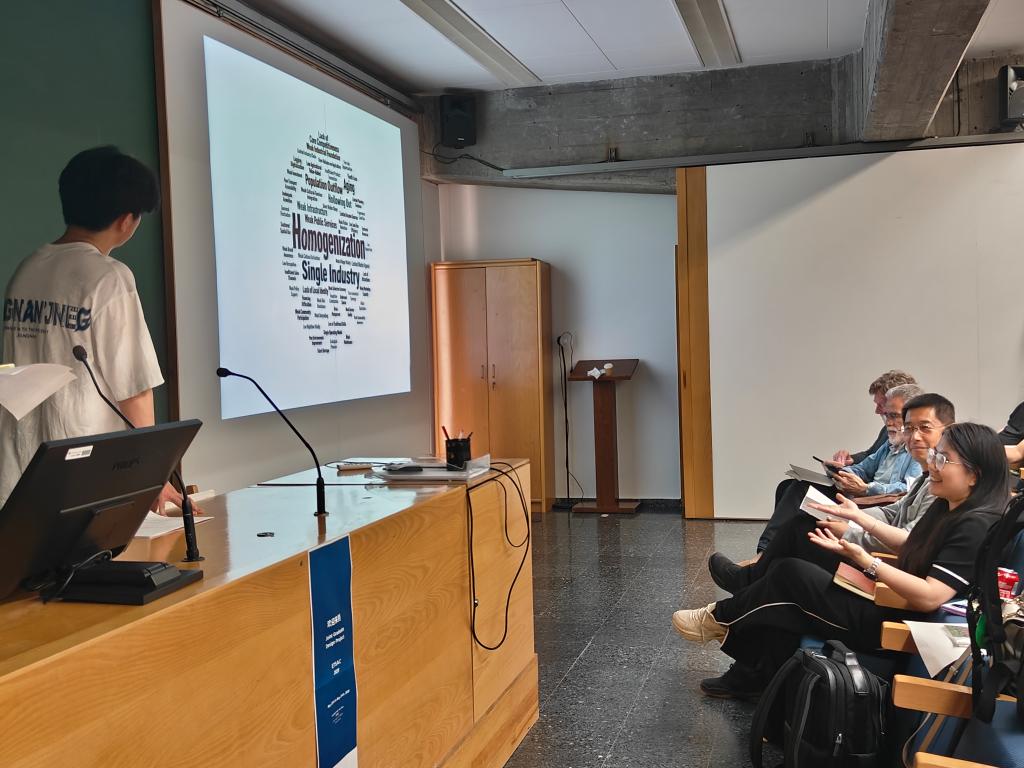
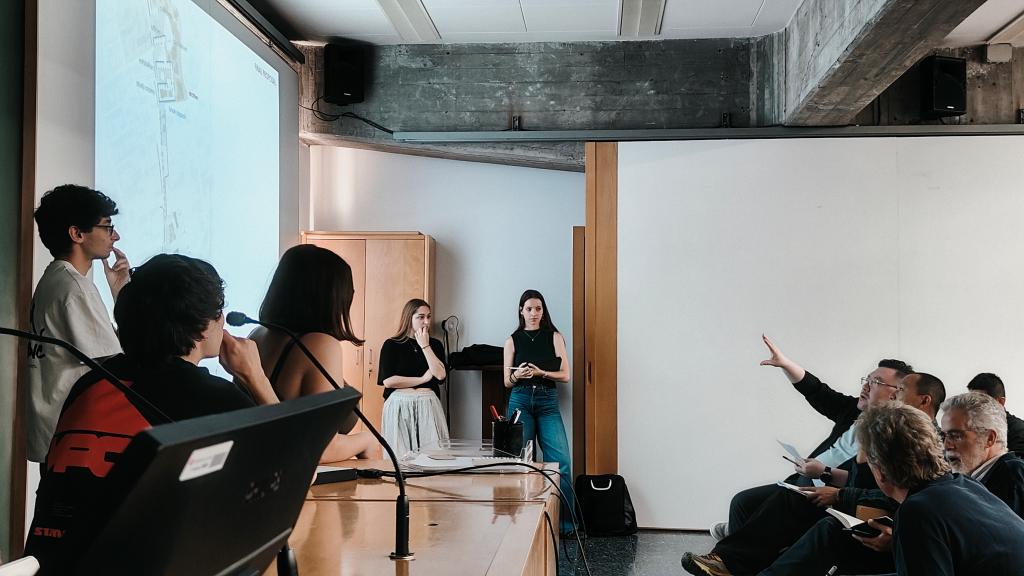
From May 25 to 26, 2026, the three-university joint graduation design final defense was successfully held. The project topic, proposed by IMUT, was: Eurasian Steppe Architectural Archive Center. The design task focused on the overall planning of Xiwusu Village in Hohhot, rural revitalization strategies, architectural design, and landscape design. Following a semester of site research, online teaching, and a mid-term defense (successfully organized by IMUT in Hohhot in April for the three universities' faculty and students), the final defense was hosted by the University of A Coruña. The defense consisted of two main parts: academic lectures and group presentations. A total of 9 groups presented sequentially over three days.
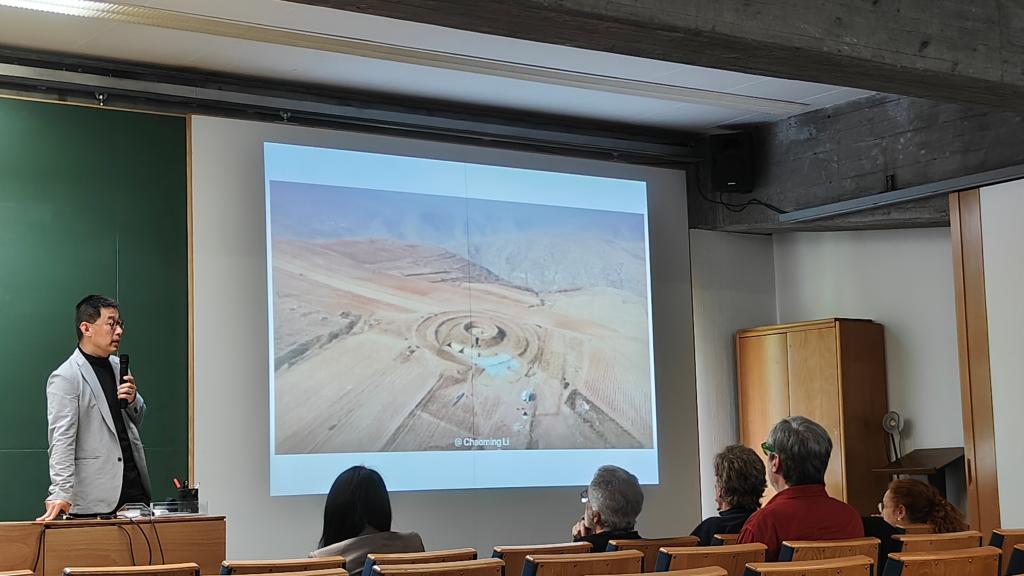
On May 25, the host institution held a project welcome ceremony, with a full day of concurrent student defense preparation workshops and the first round of reviews. On the morning of May 26, the three universities held an official welcome ceremony in the administrative building of the University of A Coruña, where they sequentially presented university introductions and special academic lectures. In the afternoon, the second round of graduation design reviews and a certificate presentation ceremony were held. During the defense, evaluation experts engaged in in-depth discussions with each student group, offering optimization suggestions for their design proposals. Each team deeply explored the characteristics of the project site, integrated innovative design concepts with regional cultural context, and successfully completed the defense session.
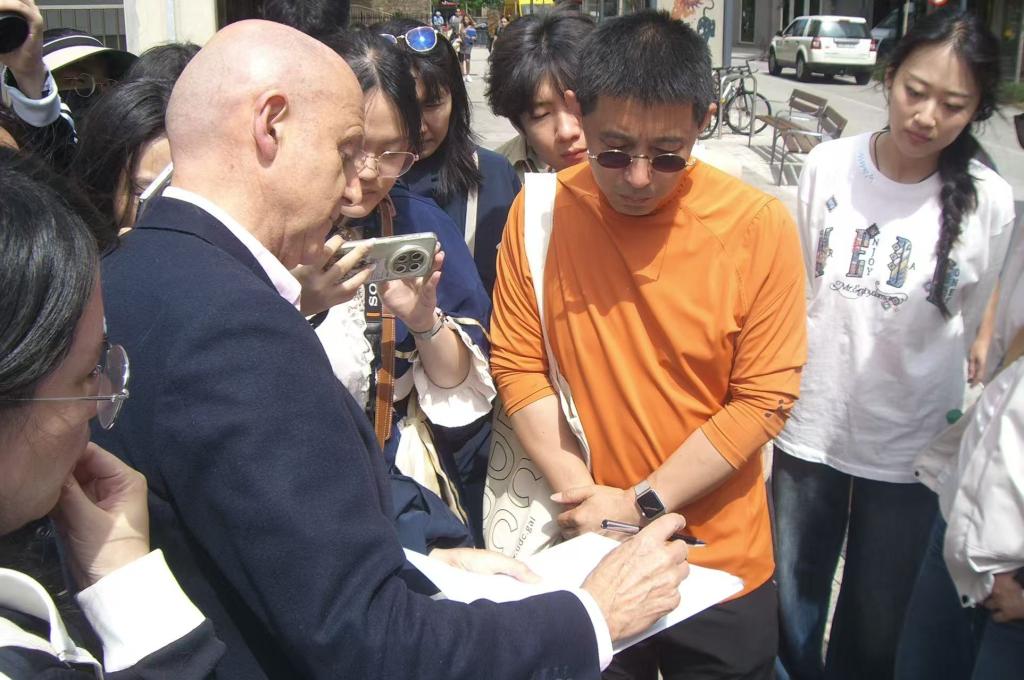
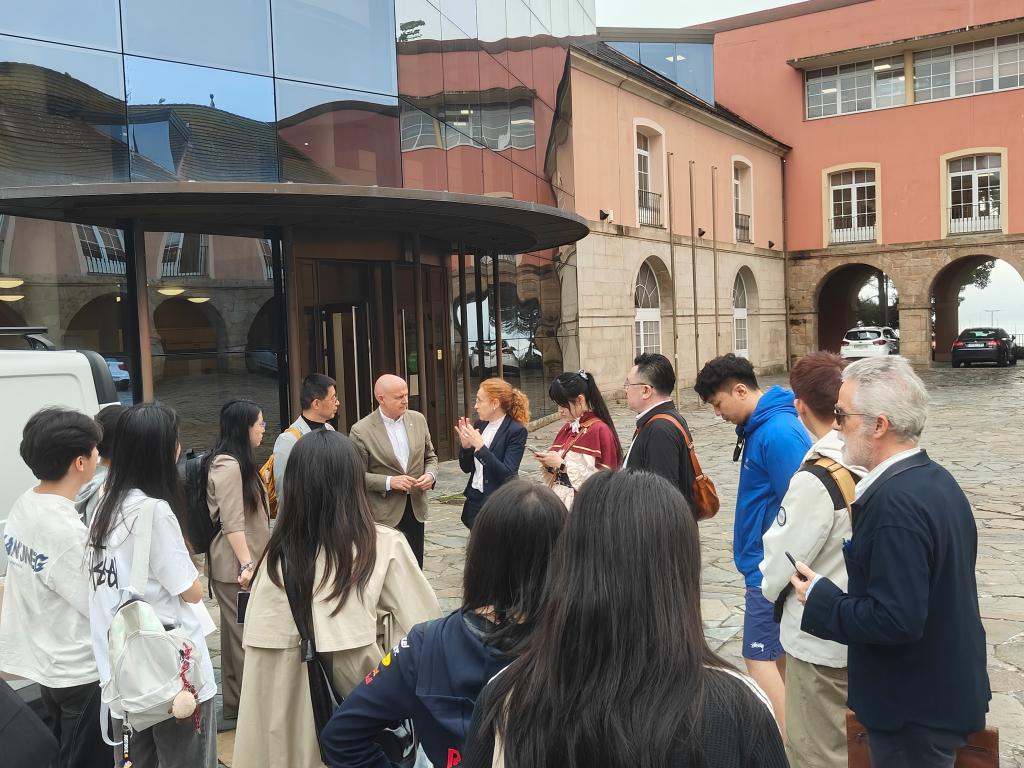
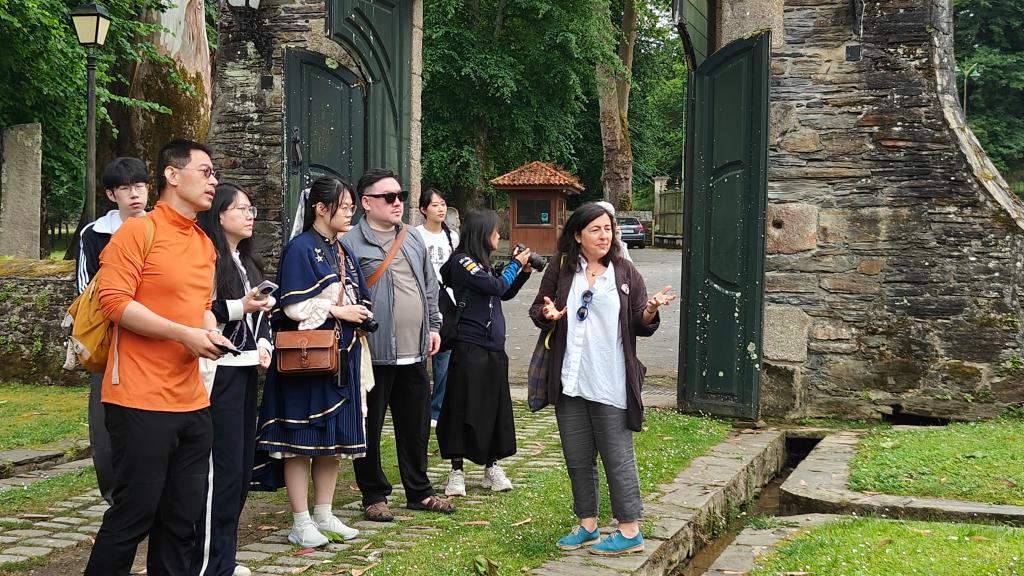
From May 27 to 28, 2026, under the organization of the University of A Coruña, the faculty and students participated in an on-site architectural study tour. On May 27, they traveled to Santiago de Compostela, visiting the Monte do Gozo estate and Vista Alegre farm, observing the dome structure of the local cathedral (including a first-time visit to the rooftop), and surveying the Vaguada residential area, the characteristic vernacular houses of Carnota, the CGAC Contemporary Art Museum, and the historic old town quarter. On May 28, the group visited the Pazo de Mariñán in Bergondo for an on-site survey of historical architecture. Subsequently, they proceeded to the old town of Pontevedra, strolling through the historic quarter of A Coruña led by professors, visiting the María Pita Square City Hall and the local Museum of Fine Arts. Detailed explanations provided the three universities' faculty and students with a deeper understanding of local architecture and urban planning.

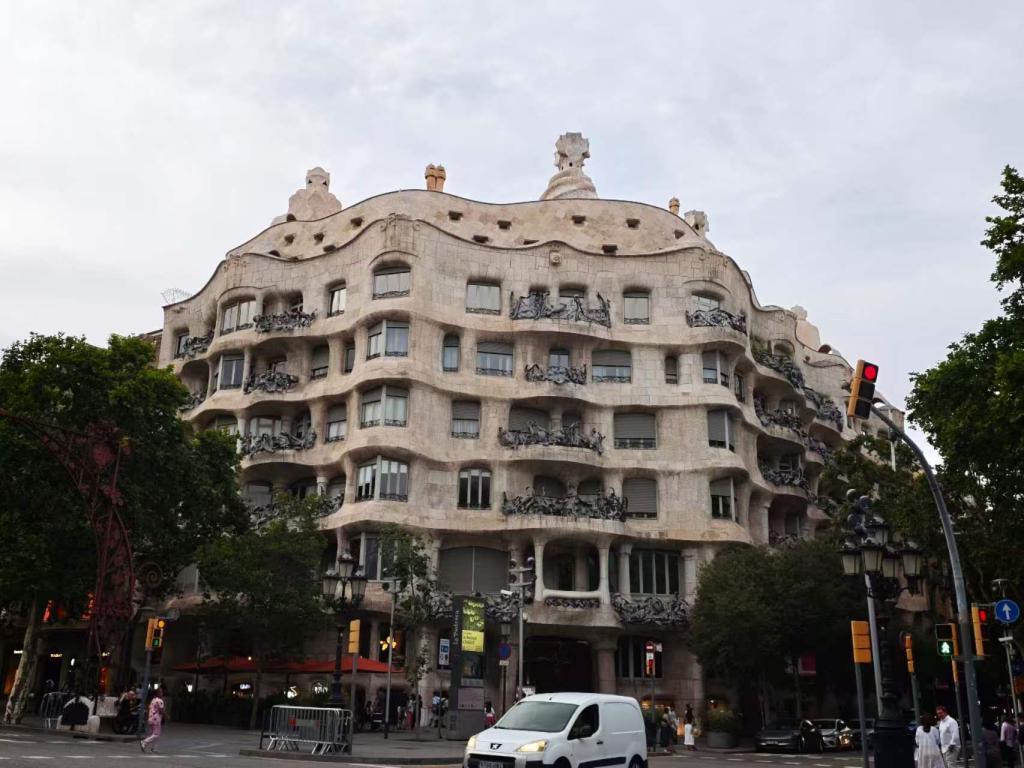
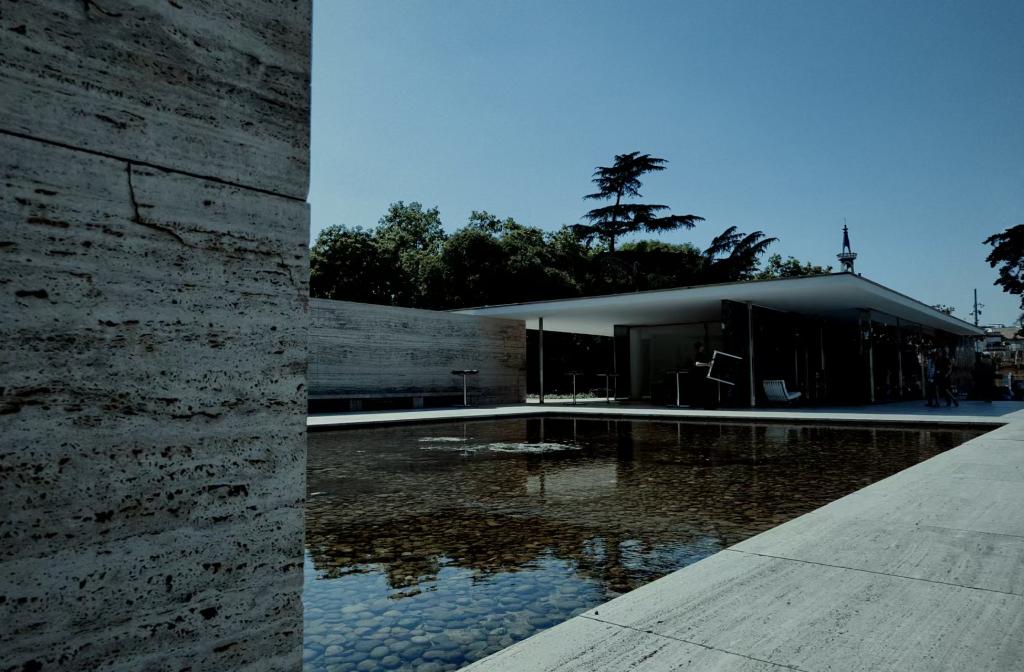
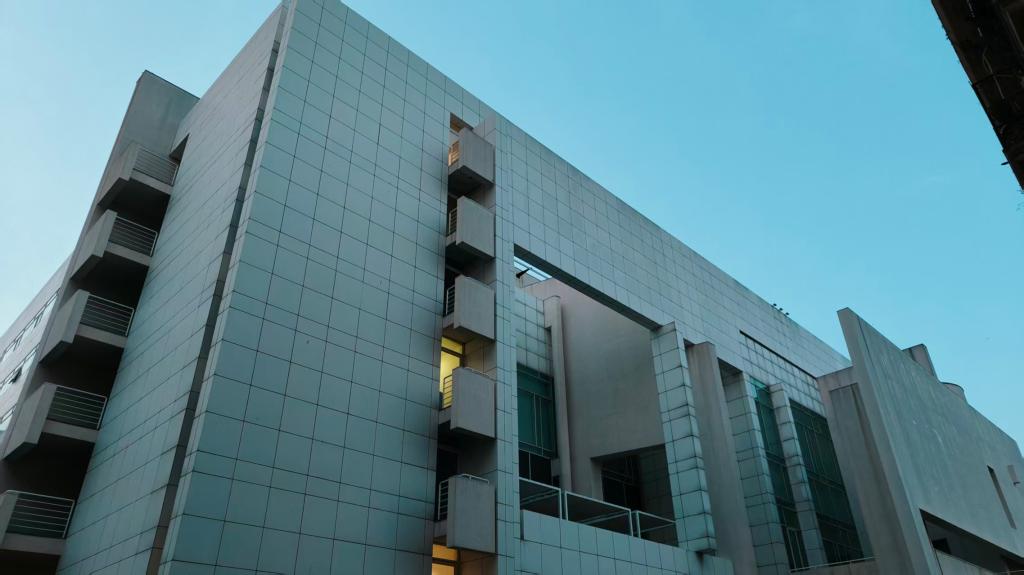
From May 29 to May 31, 2026, the IMUT team departed for Barcelona to conduct a study of historical cultural heritage and contemporary urban architecture.

On June 1, 2026, the 8-day cross-border exchange event concluded in an orderly manner.
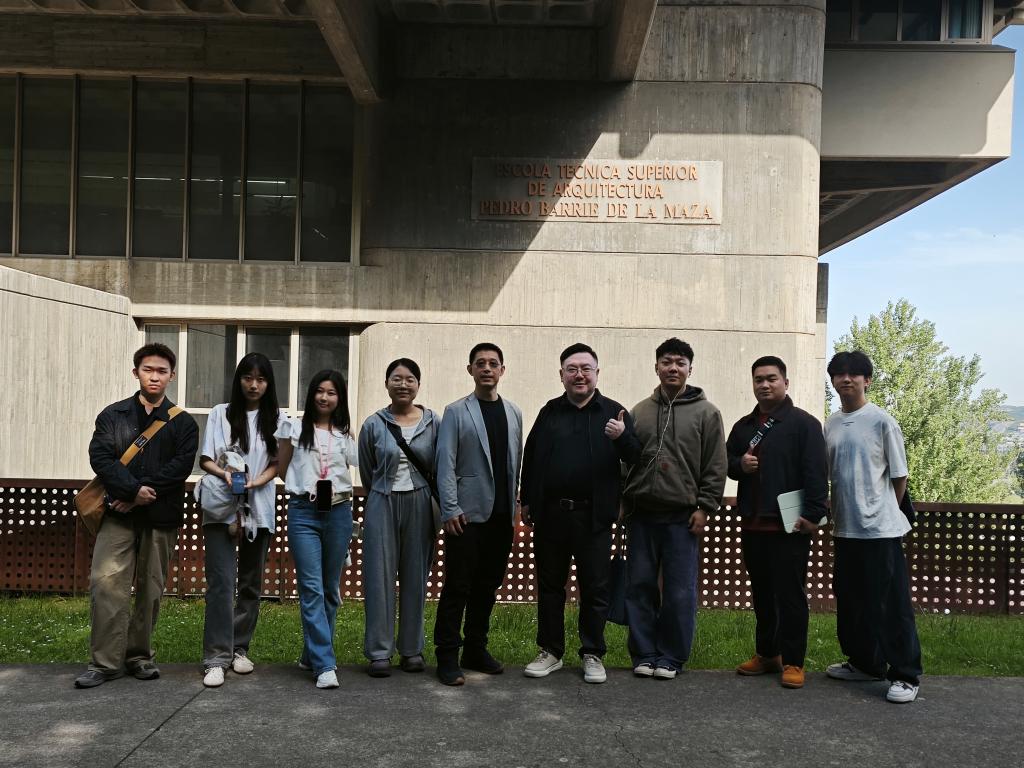
The International Joint Graduation Project of the University of A Coruña, Inner Mongolia University of Technology, and Harbin Institute of Technology is a joint design teaching program that has lasted for over a decade. Through this joint design teaching, faculty and students from the three universities have deepened international cooperation, broadened their international horizons, enhanced teaching standards, and built lasting friendships, laying a solid foundation for broader transnational inter-university collaboration in the future.