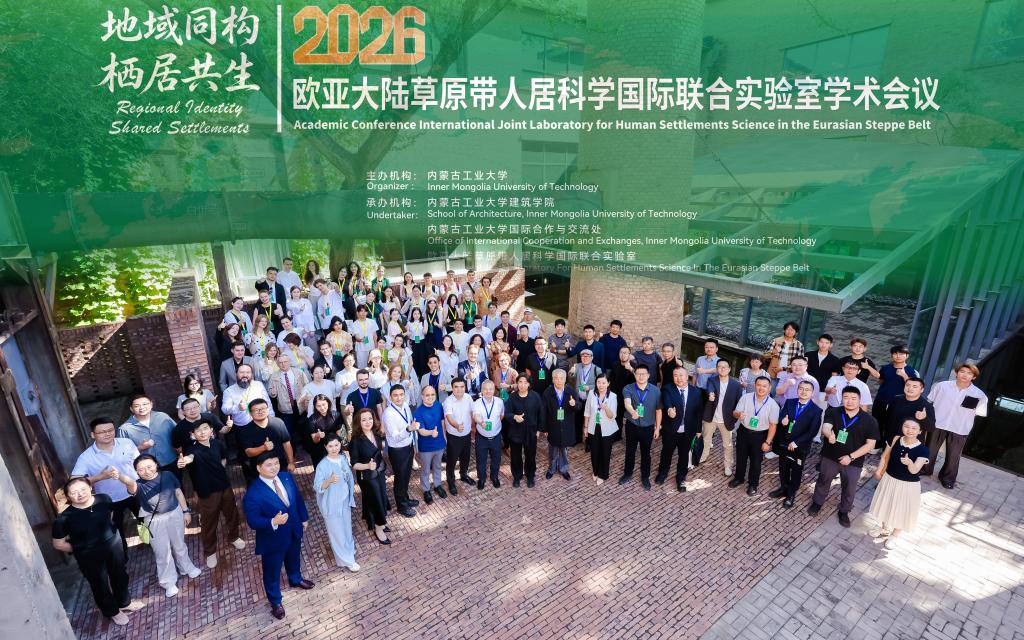
On July 13, 2026, the Academic Conference of the International Joint Laboratory for Human Settlements Science in the Eurasian Steppe Belt ("Regional Identity, Shared Settlements") was held at Inner Mongolia University of Technology (IMUT). Co-hosted by IMUT's School of Architecture, Office of International Cooperation and Exchanges, and the Joint Laboratory, the event brought together global experts to foster sustainable human settlements across the Eurasian Steppe Belt. Attendees included Liu Xiangfei (Education Department of Inner Mongolia), Prof. Guo Hongfei (Vice President of IMUT), Academician Zhang Pengju (CAE/IMUT), 14 faculty members and 44 students from foreign institutions (e.g., BNTU, MARCHi, Satbayev University, KSTU, TASI, MUST), alongside experts from Southeast University, Beijing Jiaotong University, and IMUT faculty and students. The series includes four major events—the academic conference, laboratory council meeting, summer joint workshop, and graduation design exhibition—running through July 20.
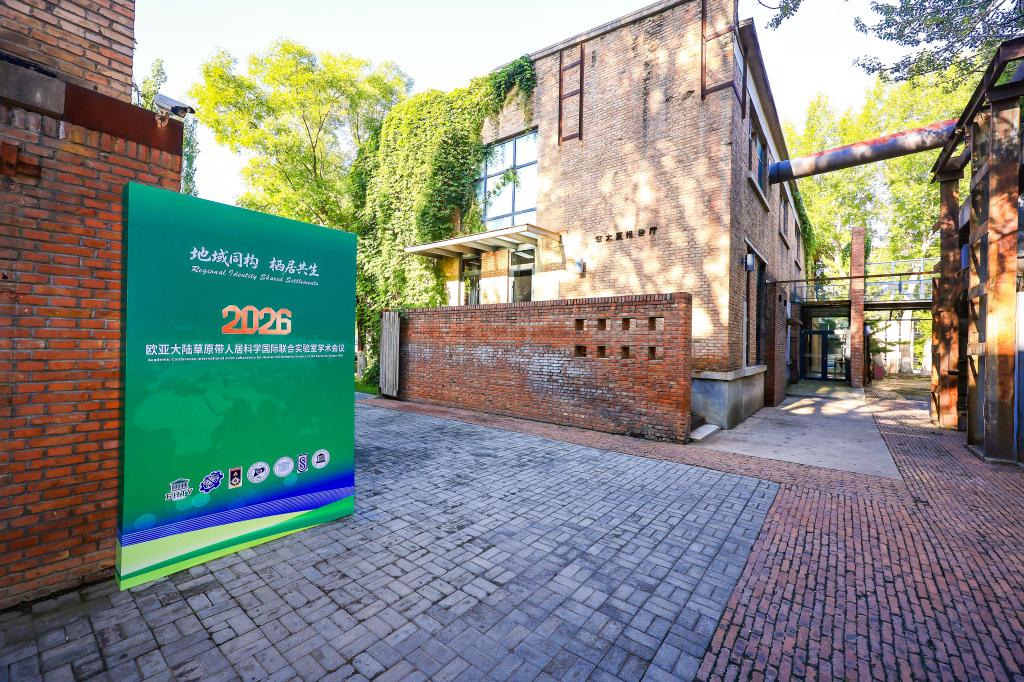
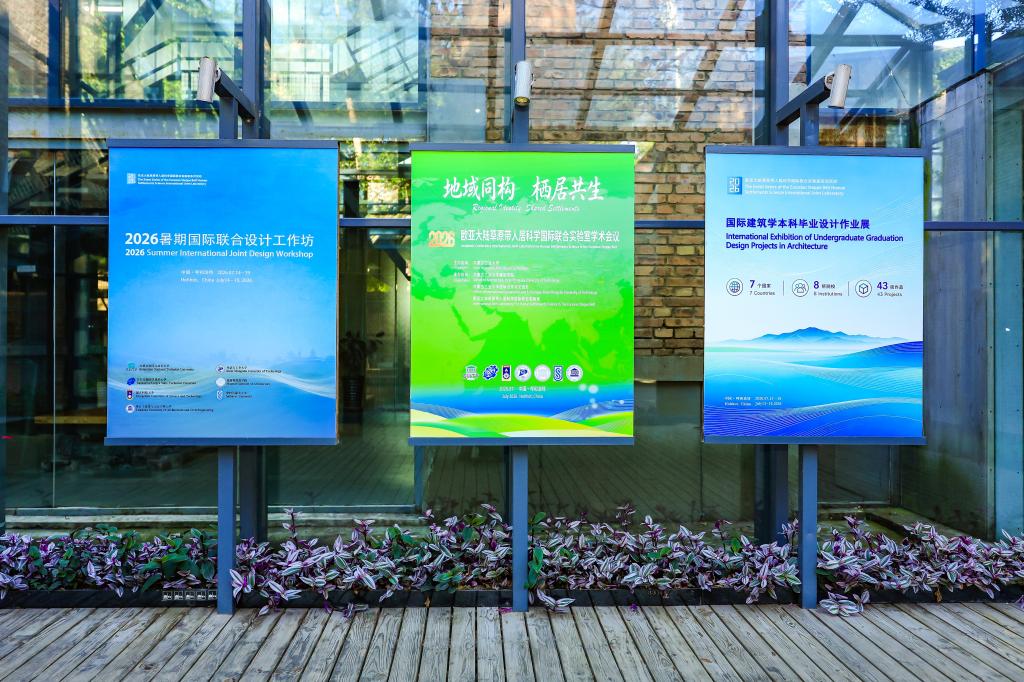
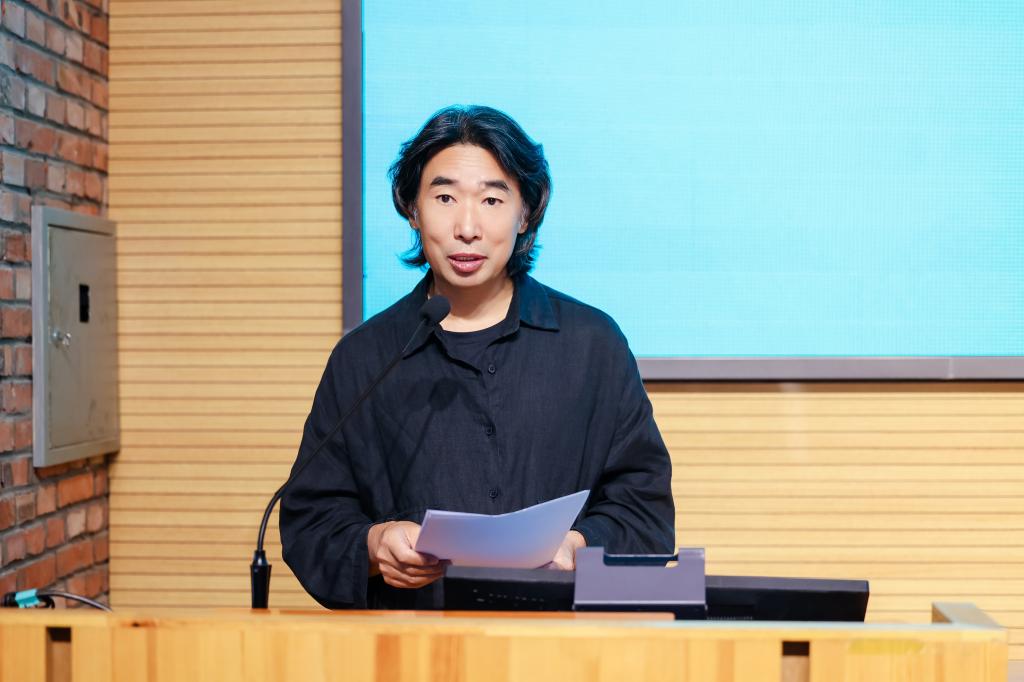
The opening ceremony was hosted by Mr. Duan Jianqiang (School of Architecture, IMUT).
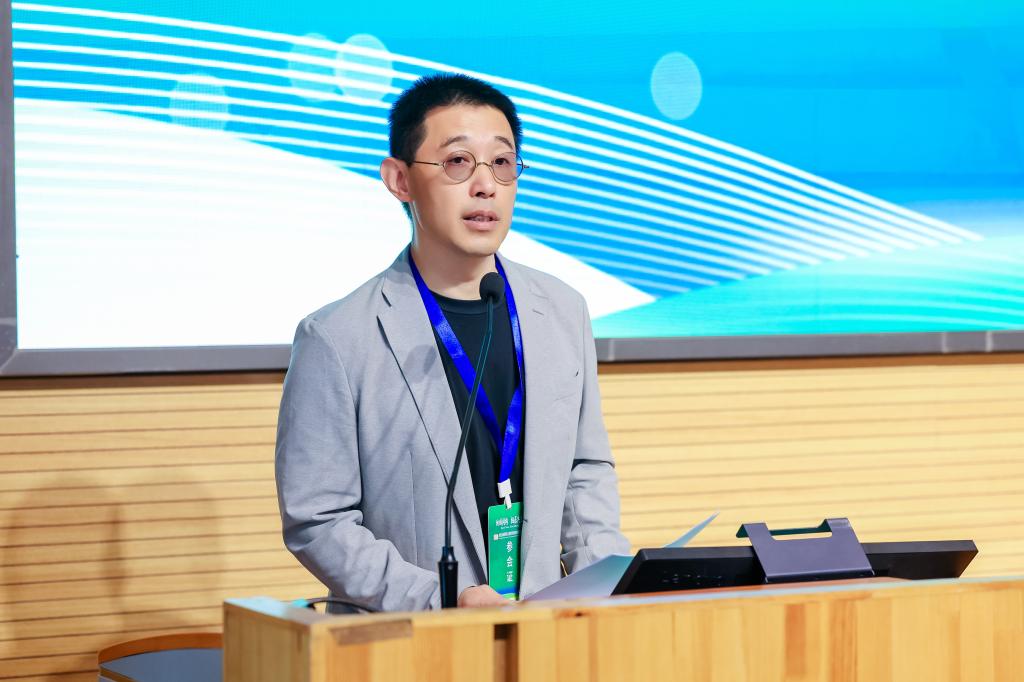
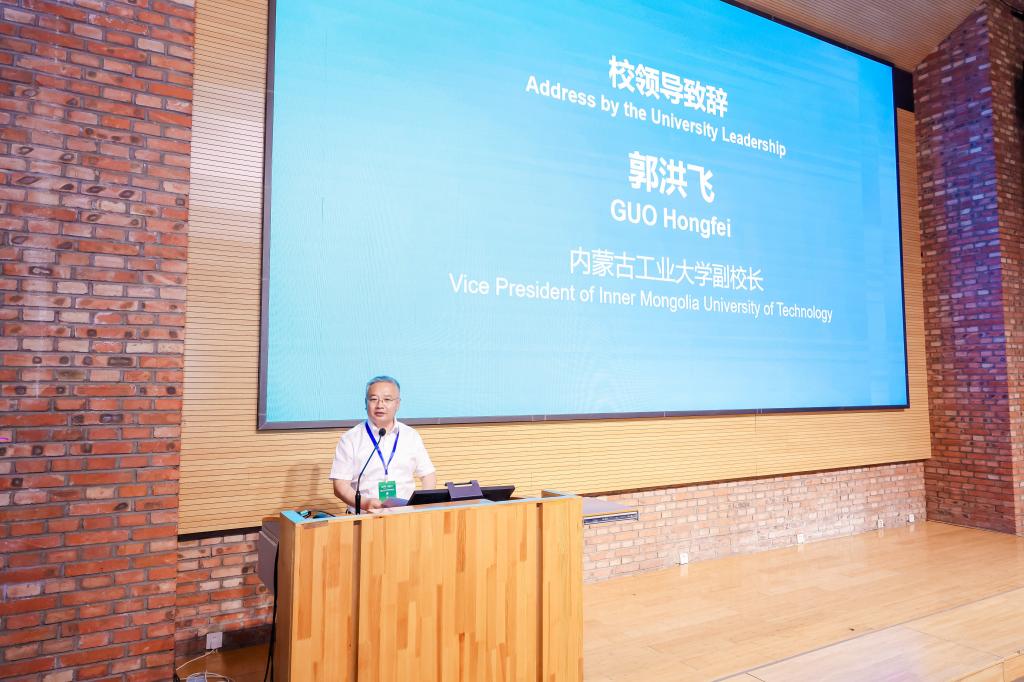
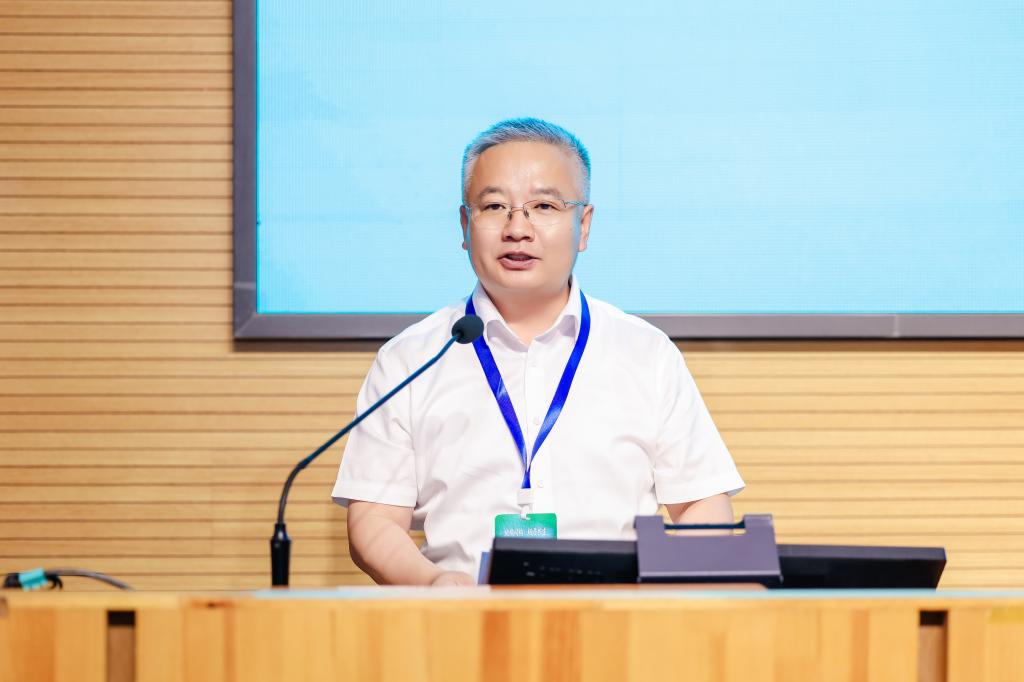
Prof. Guo Hongfei welcomed the guests, emphasizing IMUT's commitment to grassland settlement research and talent cultivation on China's northern frontier. He noted the conference supports President Xi Jinping's "Five Major Tasks" for Inner Mongolia and the Belt and Road Initiative, expressing hopes to deepen academic ties via the Joint Laboratory.
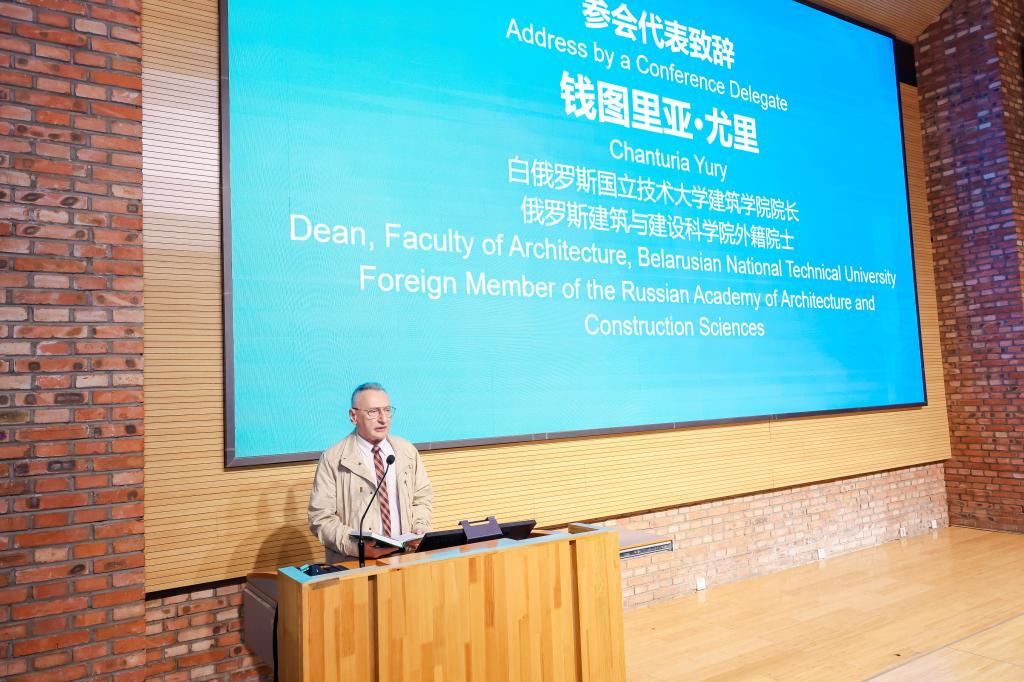
Academician Yuri Chanturia (Dean, BNTU) highlighted shared climate and settlement challenges across the steppe belt. He commended IMUT's achievements, particularly Prof. Zhang Pengju's "Plain Construction" theory, calling for deeper cooperation in heritage protection, climate adaptation, and joint graduate training.

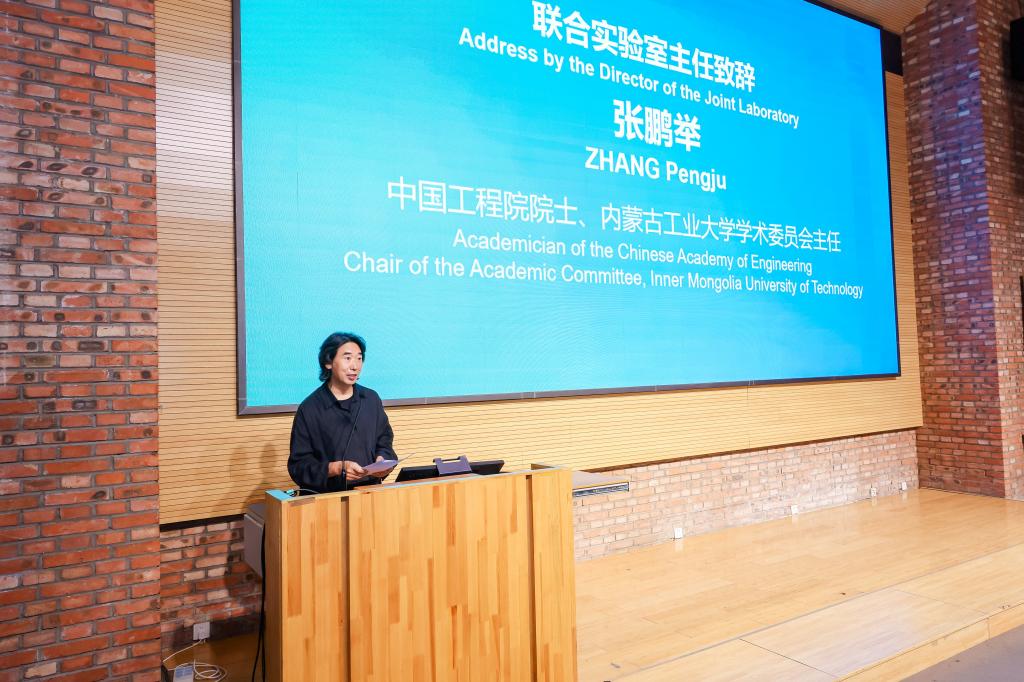
Academician Zhang Pengju reviewed his team's long-standing research in grassland regions. As Director of the Joint Laboratory, he outlined its focus on "Regional Identity" and "Shared Settlements," aiming to unite Eurasian institutions to build an interdisciplinary platform driving innovation from theory to practice.
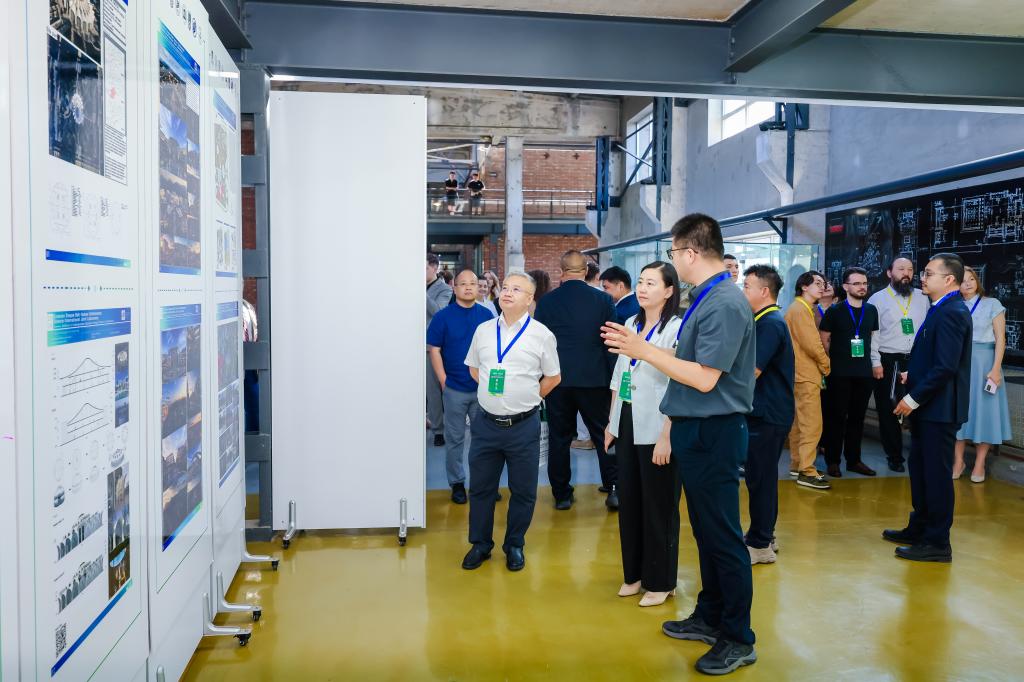
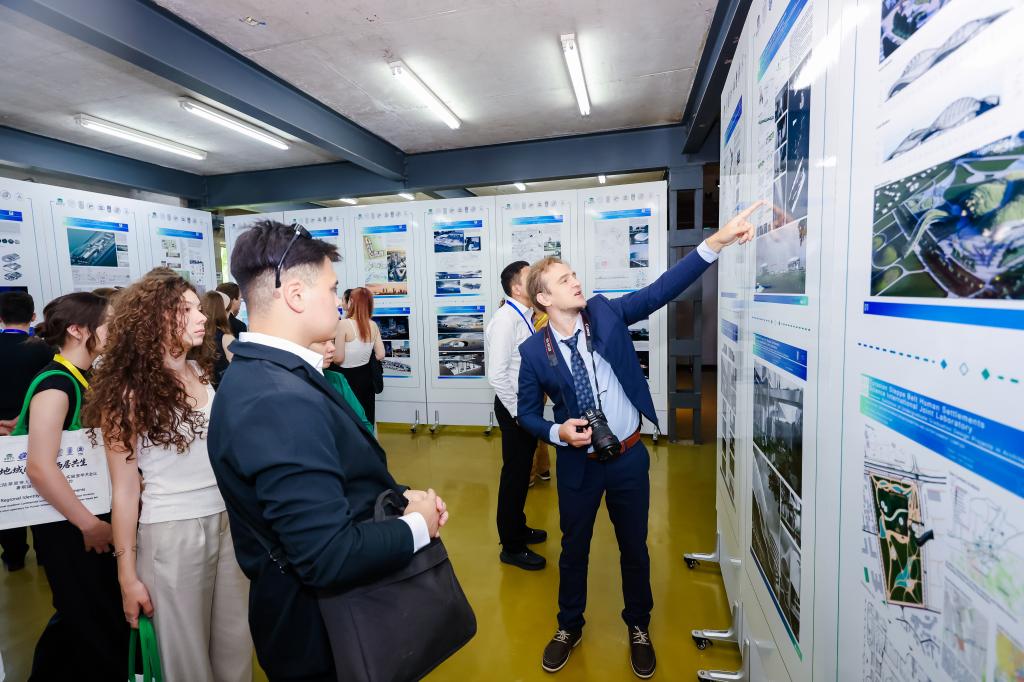
Concurrently, the International Exhibition of Undergraduate Graduation Design Projects in Architecture opened at IMUT's Review Space, showcasing works from eight universities across seven countries. Following the opening, experts reviewed the projects, engaging students on design concepts and regional expressions while outlining prospects for future joint teaching under the laboratory framework.


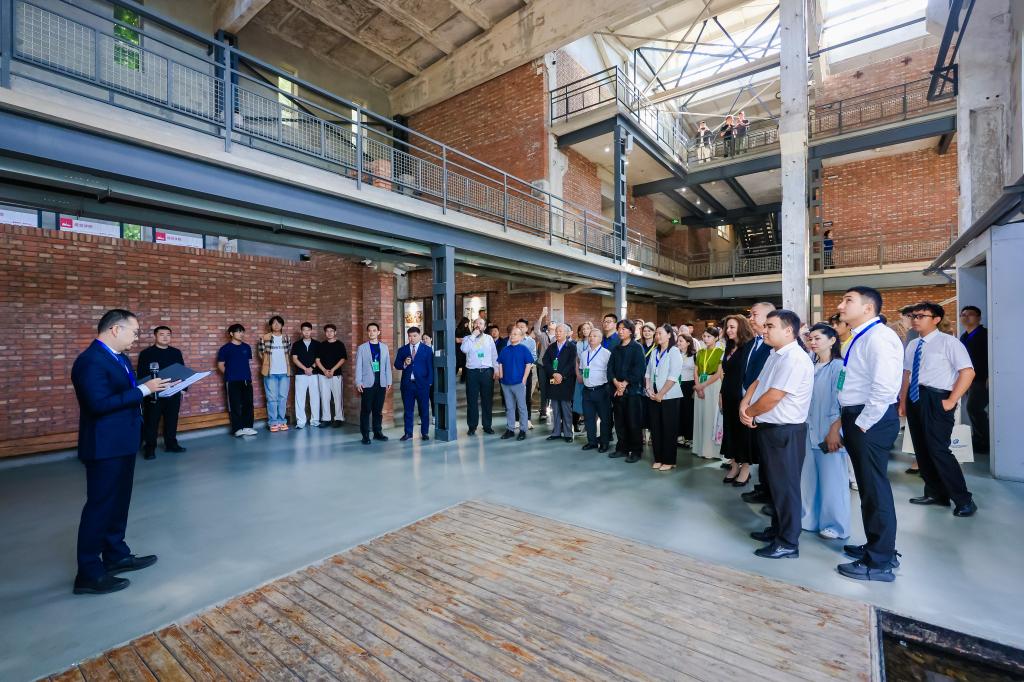



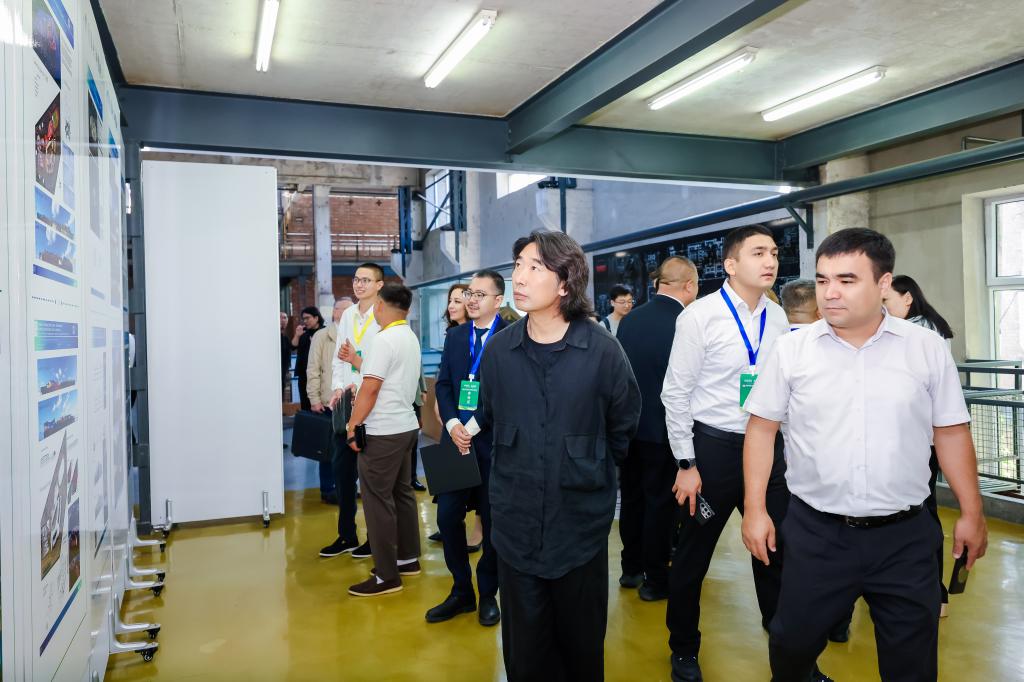
Afterward, all participants gathered for a group photo. The exhibition showcased architectural education standards across the steppe belt and strengthened foundations for future international collaboration.
Following the tour, nine experts presented keynote speeches on Eurasian steppe architecture.
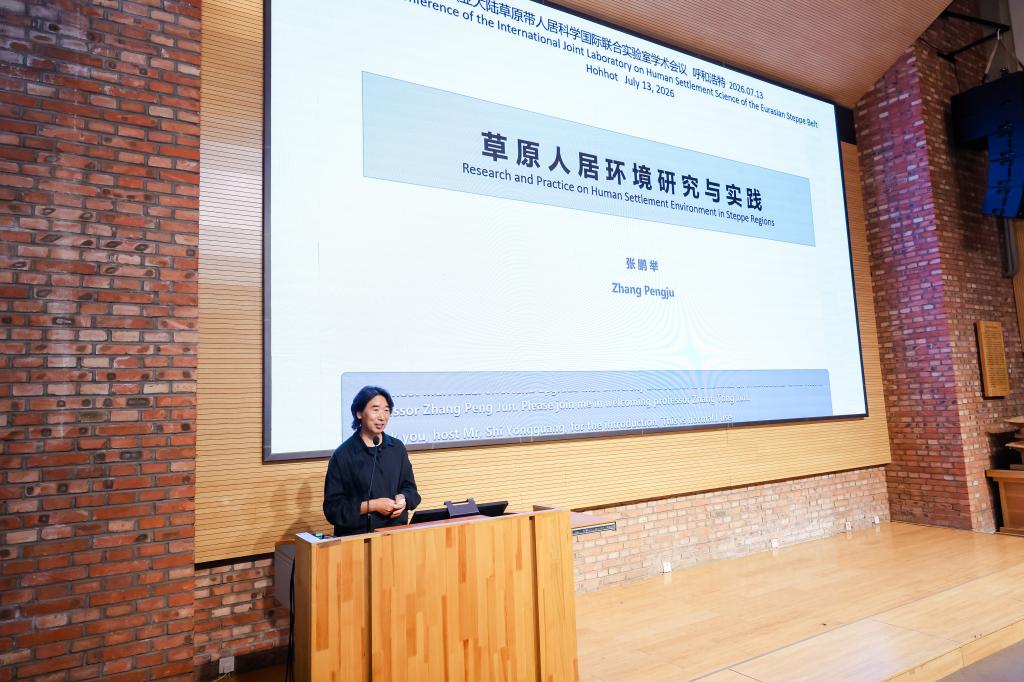
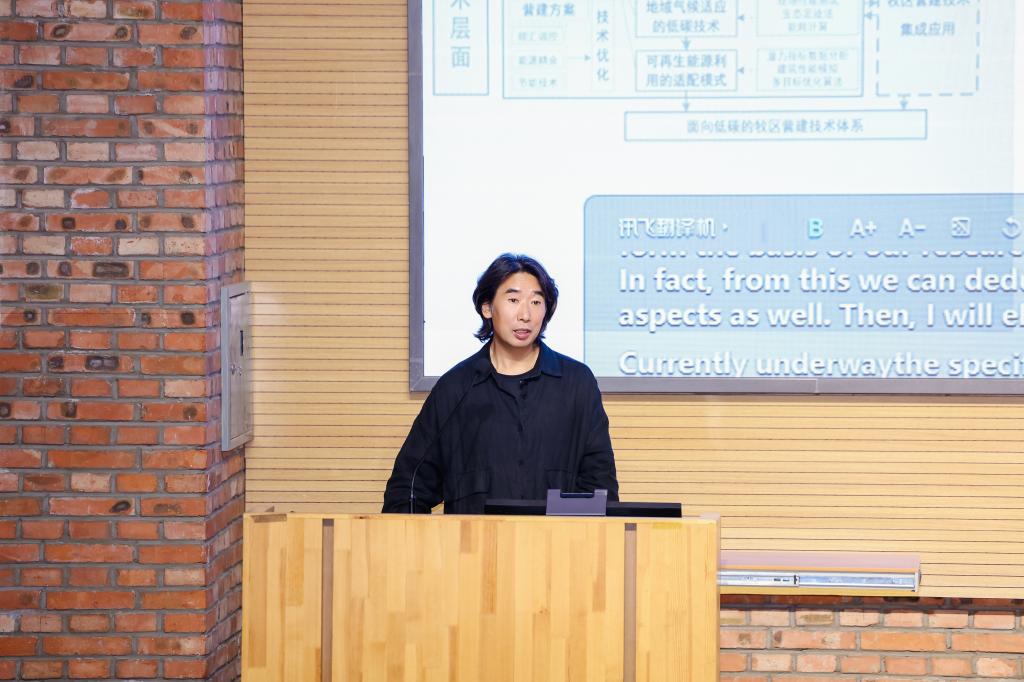
Keynote 1: Research and Practice on Human Settlement Environment in Steppe Regions
Addressing ecological fragility and spatial dispersion in grassland settlements, Academician Zhang Pengju established a "Thought-Methodology-Technology" framework. Guided by "Inheriting Tradition, Integrating Nature, Low-impact Construction," he developed adaptive design methods and low-cost, low-energy localized techniques for varied landforms, proving the "Plain Construction" theory's broad applicability.
Keynote 2: Preservation and Adaptive Reuse of Architectural Monuments of Uzbekistan
Prof. Dinara Nazarova shared Uzbekistan's practices in adaptive reuse under legal frameworks, balancing history, cost, and economic growth. Using Bukhara cases (Giyoz Pushkar Residence and Kukeldash Madrasah), she detailed how 3D modeling and traditional crafts safely repurposed historic structures into modern spaces (e.g., museums, co-working spaces), advocating for stronger Eurasian cooperation.

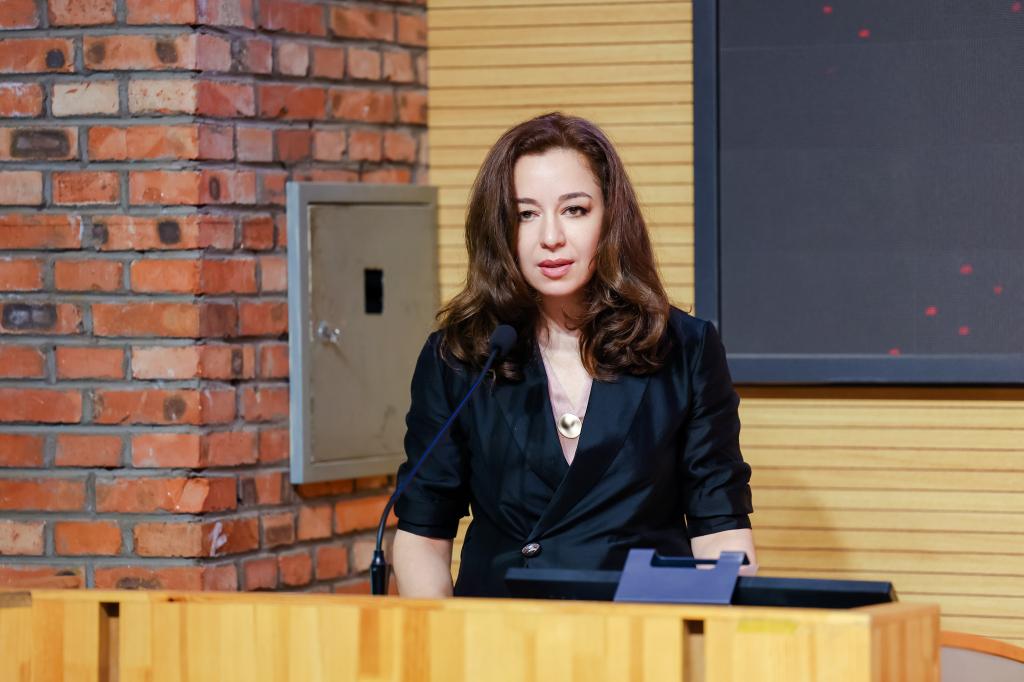
Keynote 3: Circular City Principles: Improvisation and Urban Improvement Practices in Lida, Belarus
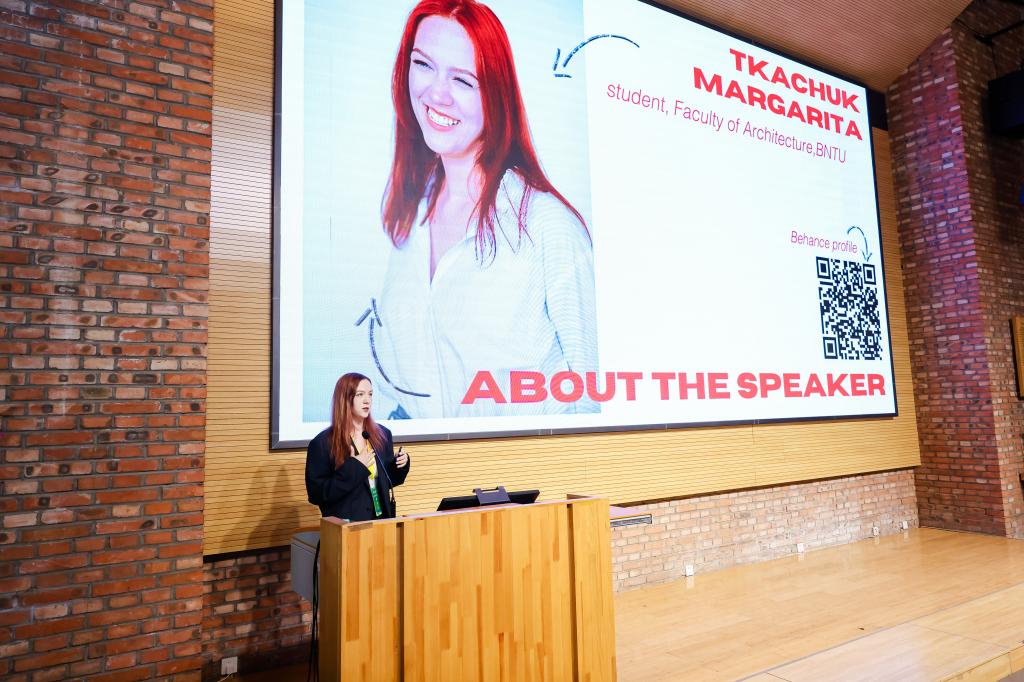
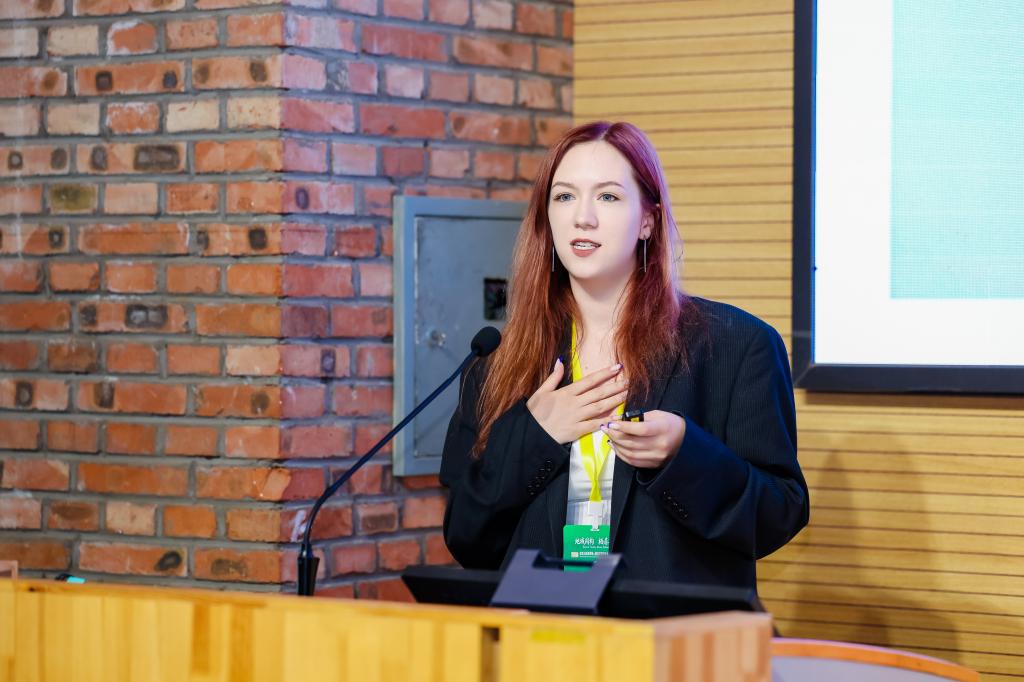
Margarita Tkachuk (BNTU) presented Lida's urban renewal combining "Improvisation" with "Circular City" principles. Through waste recycling, enterprise energy savings, landfill reforestation, Lida Castle's cultural activation, and public waste sorting, Lida demonstrated a replicable model of industrial symbiosis and civic engagement for sustainable urban growth.
Keynote 4: Renewal and Development of Railway Architectural Heritage in the Eurasian Steppe Belt
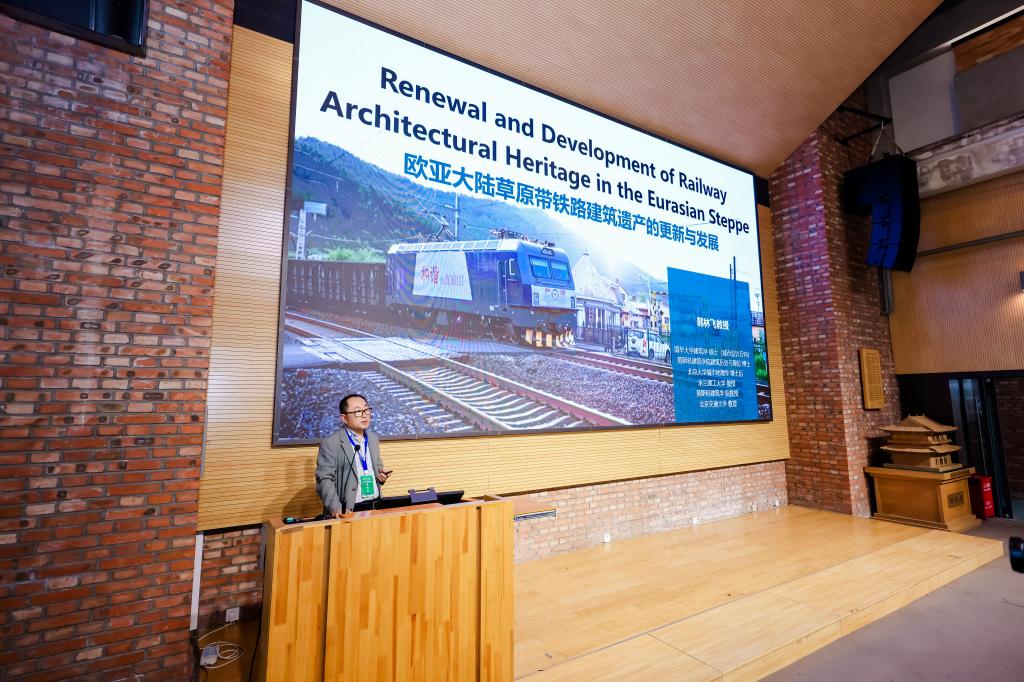
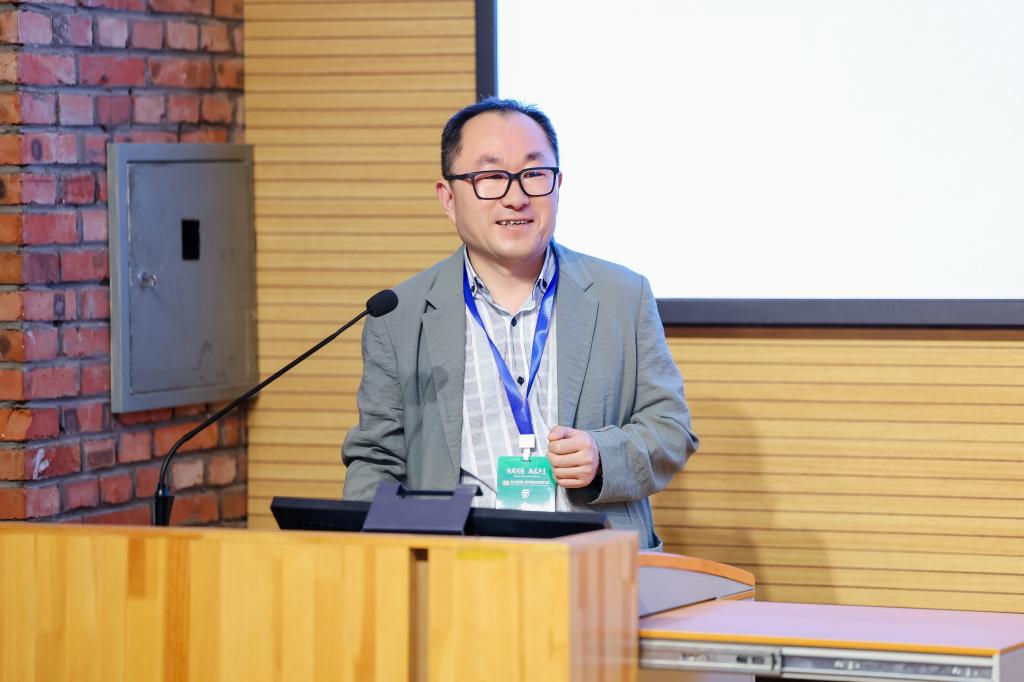
Prof. Han Linfei (BJTU) analyzed the physical system of Chinese Eastern Railway heritage, detailing urban evolution (Harbin, Chita) and station styles. He proposed an active preservation framework empowering heritage through culture, tourism, and "scenery in motion" corridors, calling for transnational collaboration to turn "industrial rust belts" into "cultural showcase belts."
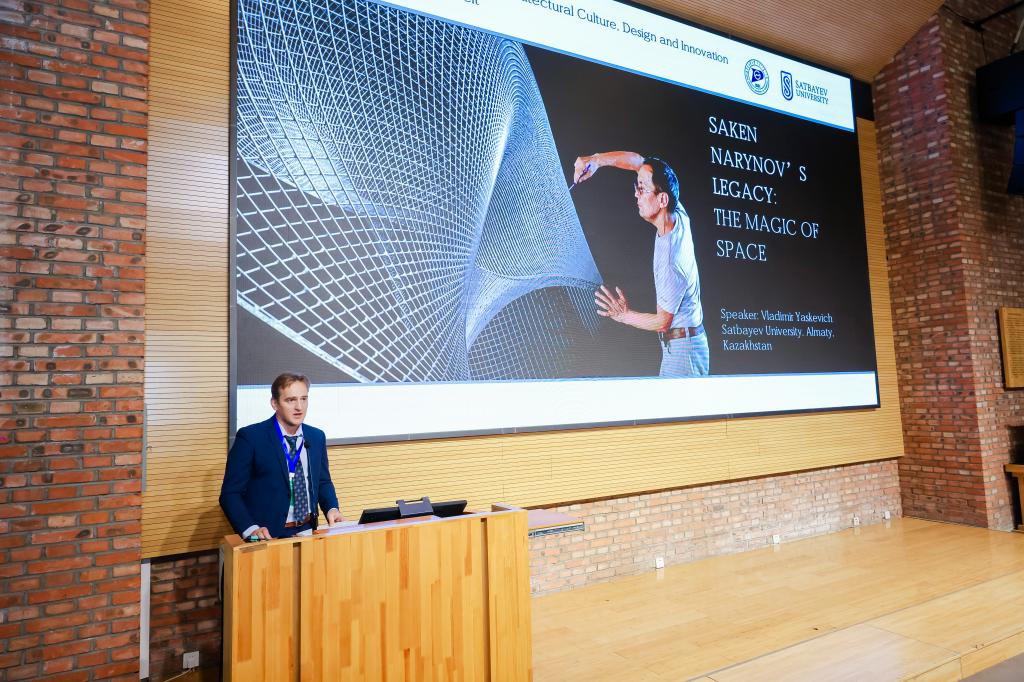
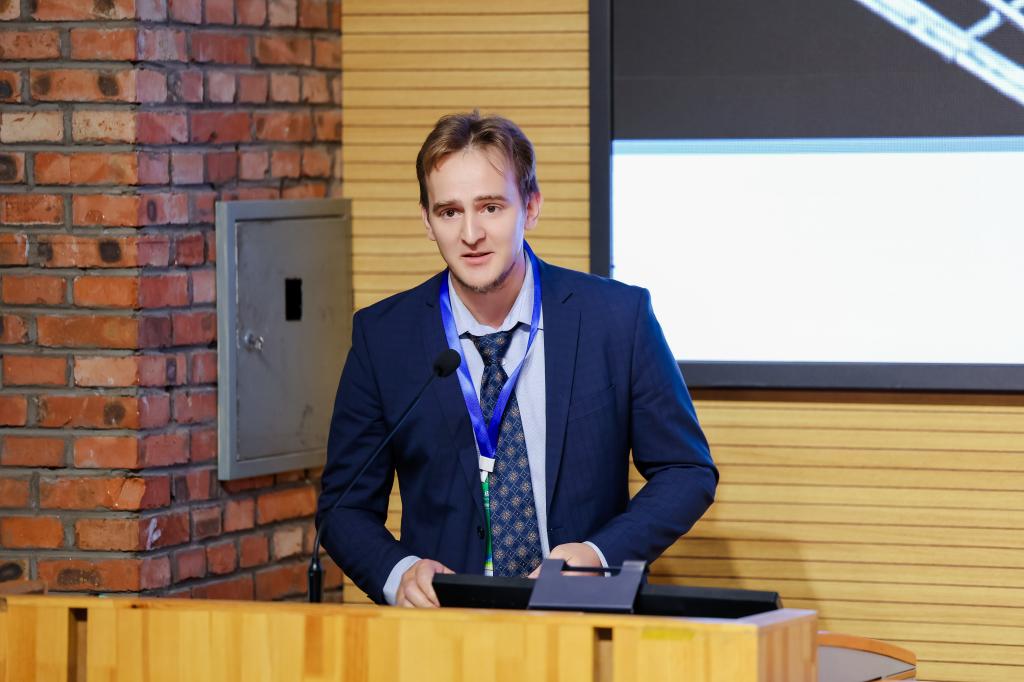
Keynote 5: Saken Narynov's Legacy: The Magic of Space
Prof. Vladimir Yaskevich (Kazakhstan) presented architect Saken Narynov's legacy across conceptual design, mobile modular/adobe housing for steppe living, and topological art. Narynov's work successfully unified rational construction and poetic expression in steppe architecture.
Keynote 6: Architecture and the Making of Eurasian Steppe Cultural Landscapes
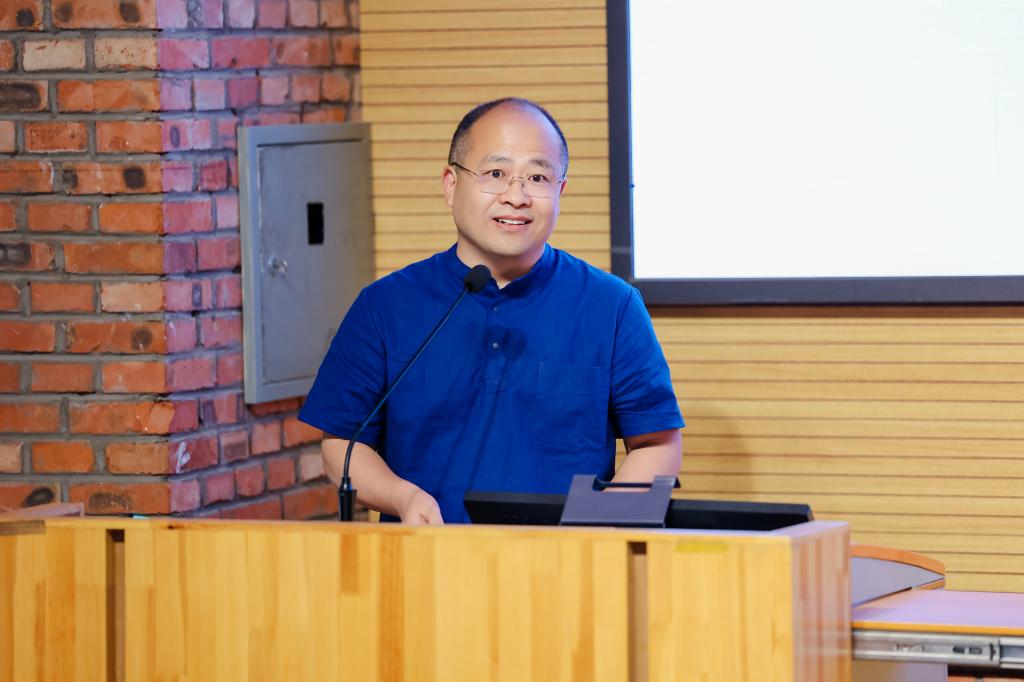
Prof. Shi Yonggao (SEU) asserted that steppe cultural landscapes represent an organic whole born of human-nature coexistence. Tracing "Mobility–Settlement–Aggregation," he explained how historic architecture gave orientation and identity to vast landscapes, offering critical insights for contemporary steppe urban development.

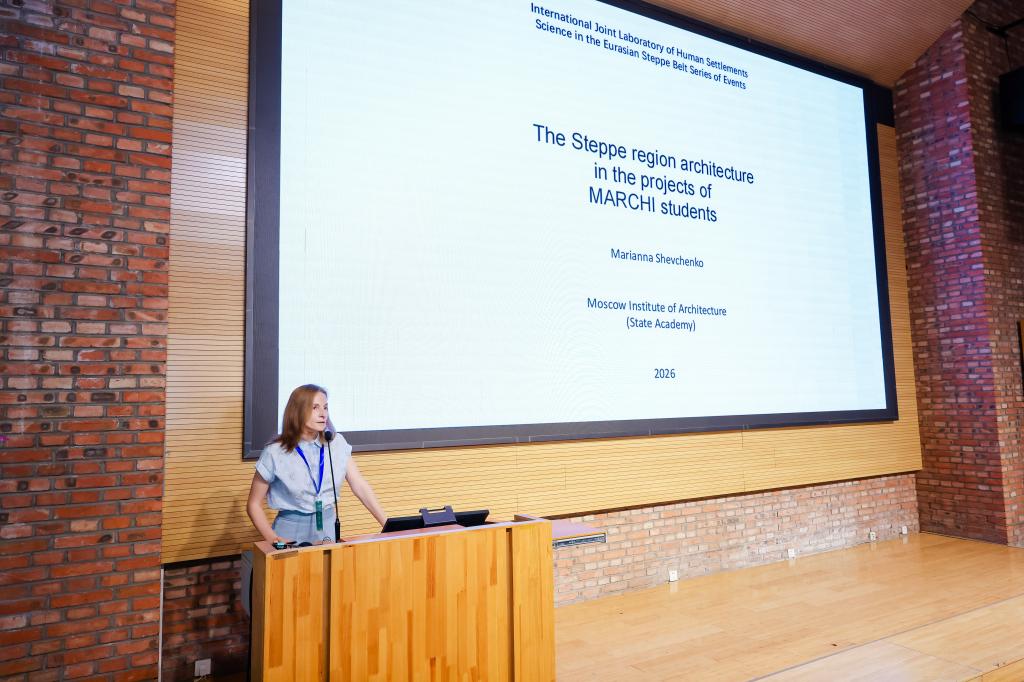
Keynote 7: The Steppe Region Architecture in the Projects of MARCHi Students
Prof. Marianna Shevchenko (MARCHi) traced 18th–20th century cross-cultural architecture along the Tea Road. Highlighting Kyakhta/Maimachin, Russian exhibition pavilions, and Moscow's Perlov Tea House, she demonstrated how trade heritage fostered rich cultural dialogue across the steppe belt.
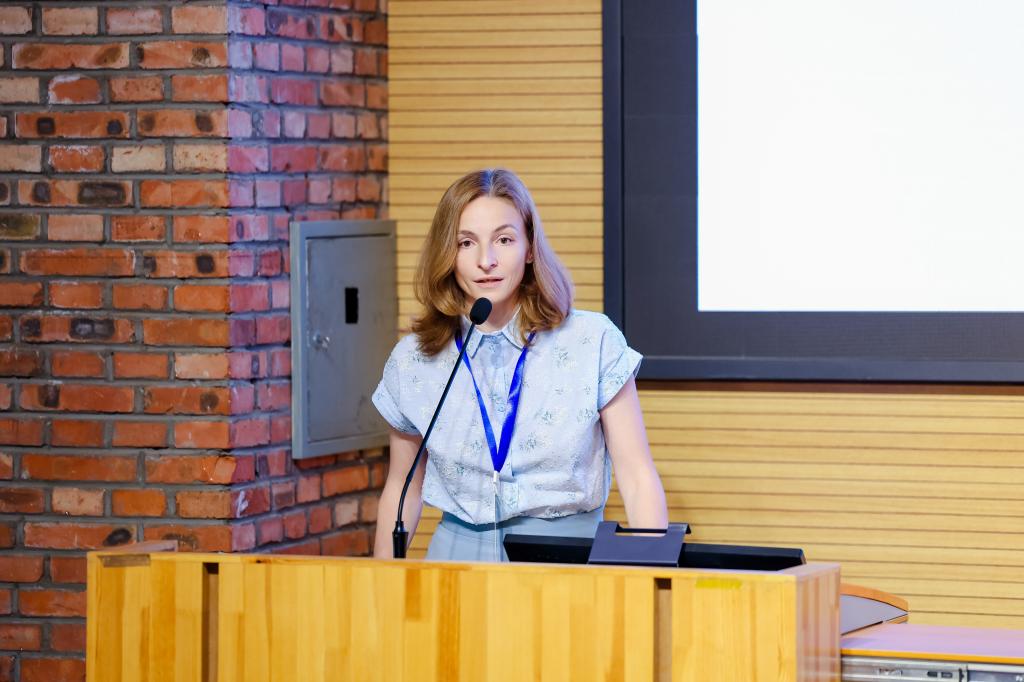
Keynote 8: Modular Architecture for a Nomadic Lifestyle
Usukhbayar Naranchimeg (MUST) introduced a tool-free Planar Interlocking Joint System (PIJS) based on Luban locks to update traditional yurts. Integrating cultural patterns to guide assembly, the resulting demountable dome structure proved superior in space, daylighting, and comfort in VR tests, balancing tradition with modern mobility.


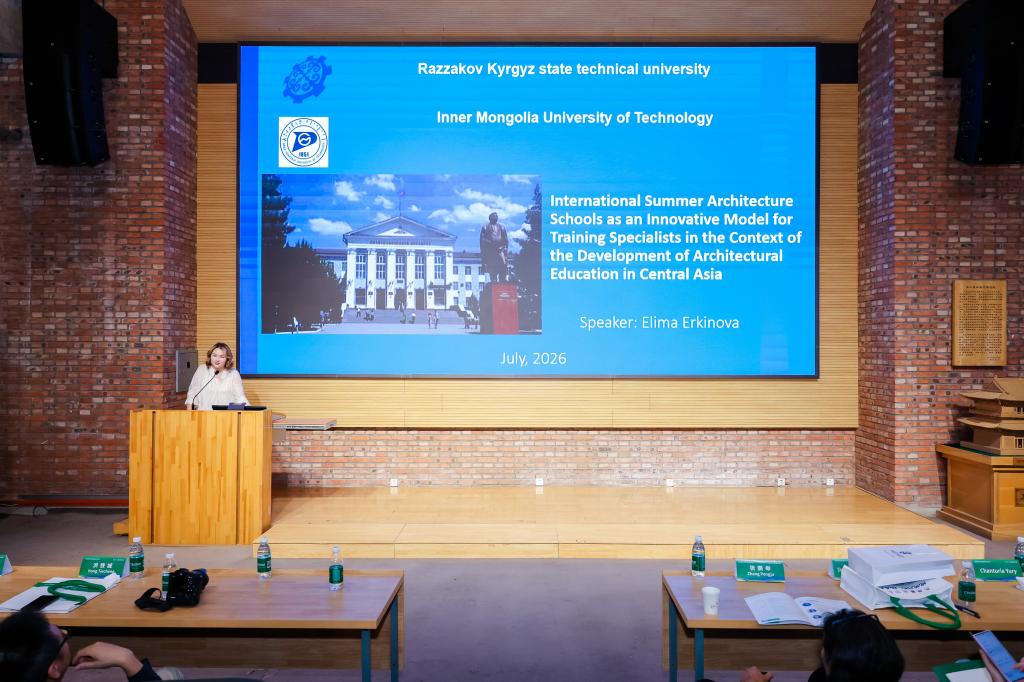
Keynote 9: Promoting International Cooperation in Architectural Education: KSTU International Summer Architecture Schools' Contribution to Central Asian Traditional Architecture Development
Elima Erkinova (Kyrgyzstan) shared KSTU's summer school model, combining research, education, and practice on real regional issues. Following projects in Cholpon-Ata (2024) and rural modernization (2025), the network expands to IMUT in 2026, offering an effective model for preserving Central Asian traditions and driving sustainable development.

Featuring nine keynote talks and an outstanding project exhibition, the conference marked a substantive leap for the Joint Laboratory. It deepened inter-university cooperation, established a high-level platform for heritage preservation and climate response, and built a solid foundation for multilateral research across the Eurasian Steppe Belt.